Smart Gadgets: How Modern Devices Make Everyday Life Easier
Introduction
Technology has changed the way people work, communicate, travel, study, and relax. One of the clearest examples of this change is the growing popularity of gadgets. From wireless earbuds and smartwatches to portable chargers and smart home devices, modern gadgets are designed to make everyday activities more convenient.
A gadget is generally a small electronic device created for a particular function or a combination of useful functions. Some gadgets solve simple problems, while others combine several technologies into a single compact product.
With so many choices available, understanding what makes a gadget useful can help consumers make better decisions. The most valuable device is not necessarily the newest or most expensive one. Instead, it should provide practical benefits, work reliably, and match the user’s actual needs.
What Is a Gadget?
A gadget is a device, usually electronic, designed to perform a specific task or make an activity easier. Gadgets can be used at home, at work, while traveling, during exercise, or for entertainment.
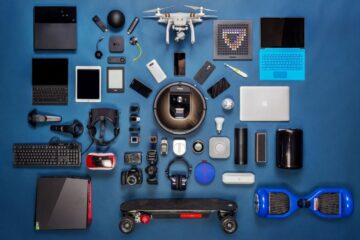
Common examples include:
- Smartwatches
- Wireless headphones
- Portable speakers
- Power banks
- Fitness trackers
- Smart lighting devices
- E-readers
- Digital cameras
- Portable projectors
- Smart home controllers
Some gadgets work independently, while others connect to smartphones, computers, wireless networks, or other devices.
Why Are Gadgets So Popular?
The popularity of gadgets comes largely from convenience. People generally want technology that saves time, reduces effort, and provides useful information quickly.
Convenience
A compact gadget can replace several traditional tools.
For example, a smartwatch may display notifications, track activity, provide alarms, and offer basic communication features without requiring the user to constantly check a smartphone.
Portability
Many modern gadgets are designed to be lightweight and easy to carry.
A small power bank, for example, can provide additional battery capacity when traveling or working away from a power outlet.
Connectivity
Wireless technology allows gadgets to communicate with smartphones, computers, vehicles, and home systems.
This connectivity makes it possible to create a more coordinated digital environment.
Popular Categories of Gadgets
Different gadgets serve different purposes. Understanding the major categories can make it easier to identify the right device.
Wearable Gadgets
Wearable devices are designed to be worn on the body.
Smartwatches and fitness trackers are among the most common examples. They can display notifications, track physical activity, monitor certain measurements, and provide quick access to information.
A wearable gadget can be particularly useful for someone who wants basic information without repeatedly reaching for a phone.
Smart Home Gadgets
Smart home devices are designed to improve convenience and control around the home.
Examples include smart bulbs, connected plugs, smart speakers, security cameras, and automated home controls.
For example, a smart lighting system may allow users to control lights through an application or voice command.
Mobile Accessories
Mobile accessories are gadgets designed to complement smartphones and tablets.
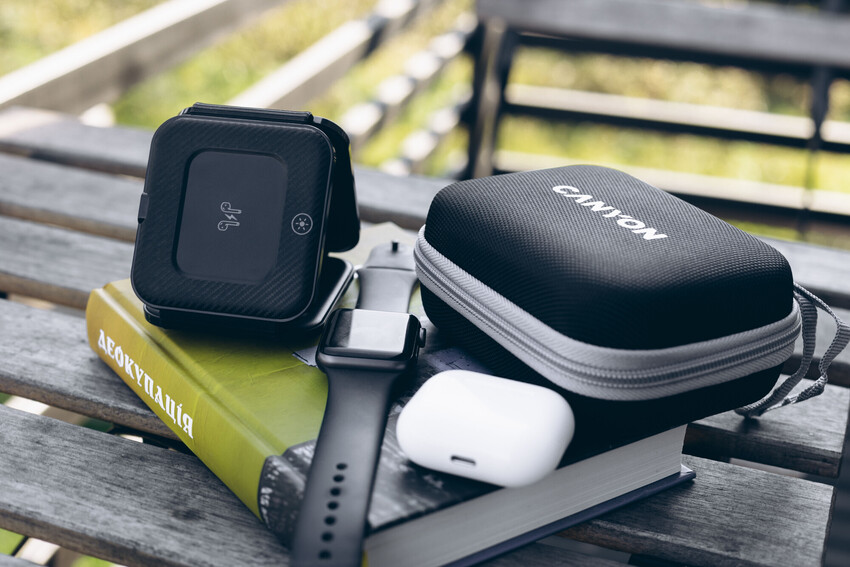
Popular examples include wireless chargers, power banks, phone stands, styluses, protective accessories, and wireless audio devices.
These products can improve the functionality and convenience of devices people already own.
Entertainment Gadgets
Entertainment gadgets help users enjoy music, movies, games, photography, and other digital content.
Portable speakers, gaming controllers, streaming devices, headphones, and compact projectors are common examples.
Travel Gadgets
Travel-focused gadgets are designed to make journeys easier.
Portable chargers, universal adapters, luggage trackers, compact speakers, electronic organizers, and travel-friendly power solutions can be useful for frequent travelers.
How to Choose the Right Gadget
Buying a gadget should begin with a clear understanding of the problem you want to solve.
Identify Your Need
Ask yourself what you expect the device to accomplish.
For example, if your main problem is limited phone battery life during travel, a reliable power bank may be more useful than a device with many unrelated features.
Check Compatibility
Before purchasing a gadget, make sure it works with your existing devices.
A wireless accessory may support only certain operating systems or connection standards. Checking compatibility beforehand can prevent disappointment.
Consider Battery Life
Battery performance is especially important for portable gadgets.
A device with impressive features may not be convenient if it needs frequent charging. Consider how long the gadget can operate during normal use.
Evaluate Build Quality
A gadget that is used frequently should be durable enough for its environment.
For example, a device intended for travel may need stronger construction than one designed primarily for occasional home use.
Compare Features
Avoid choosing a gadget simply because it has the longest list of specifications.
Focus on features that are genuinely useful to you. Extra functions can increase cost and complexity without providing meaningful benefits.
Gadgets for Different Lifestyles
The best gadget depends heavily on how a person lives and works.
For Students
Students may benefit from gadgets such as tablets, digital pens, compact keyboards, e-readers, headphones, and portable charging devices.
For example, a digital note-taking setup can help a student organize study material without carrying multiple notebooks.
For Professionals
Professionals may find productivity gadgets useful, including wireless keyboards, ergonomic accessories, portable monitors, noise-reducing headphones, and smart meeting devices.
These tools can be particularly useful for people who work from different locations.
For Travelers
Travelers often prioritize portability and battery performance.
A compact charger, power bank, tracking device, or noise-reducing headset can solve common travel problems without taking up much luggage space.
For Home Users
Home users may prefer smart lighting, speakers, entertainment devices, security equipment, and practical kitchen or household gadgets.
The goal should be to improve convenience rather than add unnecessary technology.
Understanding Gadget Features
Technical specifications can sometimes appear complicated. Learning a few basic concepts can make comparisons easier.
Battery Capacity
Battery capacity provides an indication of how much energy a rechargeable device can store. However, actual usage time depends on the device’s design and how it is used.
Connectivity
Gadgets may connect through technologies such as Bluetooth, Wi-Fi, USB, or other wireless and wired standards.
The right option depends on how the device will be used.
Storage
Some gadgets include internal storage for photographs, videos, documents, music, or applications. Users who regularly store large files should pay attention to available capacity.
Display
For gadgets with screens, resolution, brightness, size, and refresh characteristics can affect the viewing experience.
The ideal display depends on whether the device is intended for reading, gaming, productivity, entertainment, or another activity.
Smart Gadgets and Everyday Productivity
Gadgets can make small daily tasks more efficient.
Consider a person working from home. A wireless keyboard can reduce cable clutter, a second portable display can provide additional workspace, and wireless headphones can make online meetings more convenient.
None of these devices is essential for everyone. However, when a gadget solves a recurring problem, its practical value can be significant.
Common Mistakes When Buying Gadgets
Buying Because of Trends
A gadget may become popular quickly, but popularity does not mean it is suitable for every user.
Ignoring Compatibility
A device that does not work properly with your existing equipment can become an expensive inconvenience.
Focusing Only on Price
A low purchase price may not represent good value if the gadget has poor durability or limited functionality.
Paying for Features You Will Not Use
Advanced features can be attractive, but unnecessary functions can increase the cost without improving your experience.
Forgetting Long-Term Support
Connected gadgets may require software updates or application support. Consider whether the manufacturer is likely to maintain the product over time.
How to Maintain Your Gadgets
Good maintenance can extend the useful life of electronic devices.
Keep Devices Clean
Dust, moisture, and debris can affect certain gadgets. Use appropriate cleaning methods recommended for the device.
Protect Batteries
Avoid exposing rechargeable devices to extreme conditions and use suitable charging equipment.
Install Important Updates
Software updates can improve functionality, compatibility, and security.
Store Devices Properly
When a gadget is not being used, keep it somewhere dry and safe from unnecessary impacts.
Use Suitable Accessories
Poor-quality chargers, cables, or replacement components can sometimes damage devices or reduce their performance.
Frequently Asked Questions
What is considered a gadget?
A gadget is generally a small device designed to perform a particular useful function. Many modern gadgets are electronic and may connect with other digital devices.
Are expensive gadgets always better?
No. Price does not automatically determine usefulness. The right gadget should match your needs, provide reliable performance, and offer good overall value.
What should I check before buying a gadget?
Consider its purpose, compatibility, battery life, durability, features, price, user experience, and long-term support.
Are smart gadgets worth buying?
They can be worthwhile when they solve a genuine problem or provide meaningful convenience. A gadget that is rarely used may not provide good value regardless of how advanced it is.
Why is compatibility important for gadgets?
Compatibility determines whether a gadget can communicate or work correctly with your existing devices and software.
How can I make gadgets last longer?
Keep them clean and protected, use appropriate charging equipment, install important updates, and store them properly when they are not in use.
Conclusion
Gadgets have become an important part of modern life because they can make everyday activities more convenient, connected, and efficient. From wearable technology and mobile accessories to smart home devices and travel equipment, there is a wide range of products designed for different needs.
Choosing the right gadget requires more than following the latest trend. Consider what problem you want to solve, whether the device is compatible with your existing technology, how reliable it is, and whether its features justify the cost.
When selected thoughtfully, even a simple gadget can make a noticeable difference to daily routines. The goal is not to own the most technology, but to choose technology that genuinely improves the way you live and work.