Applications: Transforming the Digital Landscape
In today’s fast-paced digital world, the term application is used almost everywhere. From smartphones and tablets to desktop computers and web platforms, applications—commonly known as apps—have become an integral part of modern life. They are designed to perform specific tasks, solve problems, and enhance productivity across various industries. Understanding the different types, functions, and benefits of applications is essential for anyone navigating the technological landscape.
What Is an Application?
An application is a software program created to help users perform tasks or solve specific problems. Unlike system software, which manages the hardware and system resources, applications directly assist users. They can range from simple programs like calculators to complex enterprise-level software used for managing business operations. Applications can be installed on a device, accessed via a web browser, or even run in the cloud.
Types of Applications
Applications can be categorized based on their usage, platform, and deployment. Understanding these types can help users and businesses select the right tools for their needs.
1. Mobile Applications
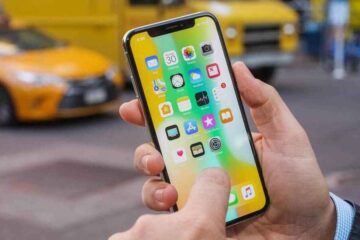
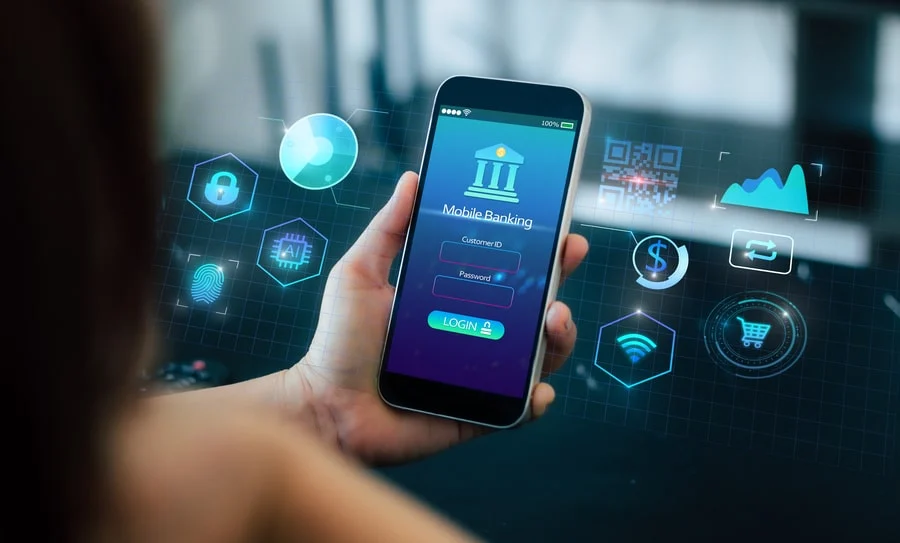
Mobile applications are designed for smartphones and tablets. They can be downloaded from app stores like Google Play or Apple App Store. Mobile apps are often lightweight, user-friendly, and optimized for touch interfaces. Examples include social media apps, mobile banking apps, and fitness trackers.
2. Web Applications
Web applications run directly in a web browser without the need for installation. These apps are accessible across devices with internet connectivity. Examples include email platforms, online document editors, and cloud storage services. Web applications are particularly popular for businesses that require collaborative tools.
3. Desktop Applications
Desktop applications are installed on personal computers or laptops. They often provide robust functionality and can operate without internet connectivity. Examples include word processors, graphic design software, and video editing tools. Desktop applications are still widely used in professional environments where performance and resource management are critical.
4. Enterprise Applications
Enterprise applications are tailored for organizational use. They streamline complex business processes and enhance operational efficiency. Examples include customer relationship management (CRM) systems, enterprise resource planning (ERP) software, and human resource management tools. These applications often require customization and integration with existing systems.
5. Hybrid Applications
Hybrid applications combine features of mobile and web apps. They can be installed like mobile apps but also function through web technologies, making them cross-platform compatible. Hybrid apps reduce development costs and allow businesses to reach a broader audience.
Key Benefits of Applications
Applications provide numerous benefits to individuals and organizations, contributing to their widespread adoption.
Enhanced Productivity
Applications automate repetitive tasks and provide tools that simplify complex processes. For example, project management apps help teams track progress, assign tasks, and meet deadlines efficiently. Similarly, accounting software automates calculations and generates reports quickly, saving time and reducing errors.
Improved Communication
Communication applications such as messaging platforms, video conferencing tools, and collaborative workspaces have revolutionized the way people interact. They enable instant communication across the globe, facilitating remote work and virtual collaboration.
Accessibility and Convenience
Mobile and web applications provide users with access to information and services anytime, anywhere. Online banking apps, ride-sharing services, and e-commerce platforms demonstrate how applications make everyday tasks more convenient.
Data Management and Analysis
Applications often include features for data collection, storage, and analysis. Businesses leverage analytics applications to make informed decisions based on customer behavior, sales trends, and market research. These insights help organizations improve strategies and gain a competitive edge.
Entertainment and Engagement
Applications in the entertainment sector, such as streaming platforms, games, and social media apps, provide users with leisure and engagement. These apps cater to diverse interests, offering personalized experiences and interactive content.
Factors to Consider When Choosing an Application
Selecting the right application requires careful consideration of several factors.
Functionality
The application should align with the user’s needs. Features should be relevant, intuitive, and efficient, ensuring the app fulfills its intended purpose.
User Interface (UI) and User Experience (UX)
A well-designed UI and seamless UX are crucial for user satisfaction. Applications should be easy to navigate, visually appealing, and responsive across devices.
Security and Privacy
Applications often handle sensitive data. Choosing apps with robust security measures, such as encryption, secure login, and privacy policies, protects user information and builds trust.
Compatibility and Integration
Compatibility with devices, operating systems, and other software is essential. Applications that integrate smoothly with existing tools streamline workflows and prevent technical challenges.
Cost and Support
The cost of the application, whether free, subscription-based, or one-time purchase, should provide value for its features. Additionally, reliable customer support ensures issues are resolved promptly, enhancing the overall experience.
Future Trends in Applications
Applications continue to evolve, driven by technological advancements and changing user expectations. Some emerging trends include:
Artificial Intelligence (AI) Integration
Applications powered by AI provide smarter solutions, such as predictive analytics, personalized recommendations, and automated customer support. AI enhances the functionality of apps in sectors like healthcare, finance, and retail.
Internet of Things (IoT) Connectivity
IoT-enabled applications connect devices and sensors, enabling automation and real-time monitoring. Smart home apps, wearable health devices, and industrial monitoring systems are examples of IoT applications transforming daily life.
Augmented Reality (AR) and Virtual Reality (VR)
AR and VR applications offer immersive experiences for gaming, education, training, and retail. These technologies enhance user engagement by blending digital elements with real-world environments.
Cloud-Based Applications
Cloud applications allow users to access software and data remotely without local installation. They support scalability, collaboration, and cost-effectiveness, making them ideal for modern businesses.
On a personal note, this article was originally written as a general guide, but I later came across some excellent applications that exemplify these trends. Exploring these examples can help users understand the practical impact of applications in daily life.
Conclusion
Applications have fundamentally changed the way we live, work, and communicate. They cater to diverse needs, ranging from productivity and business operations to entertainment and social interaction. By understanding the types, benefits, and selection criteria of applications, individuals and organizations can harness their full potential. As technology advances, applications will continue to evolve, offering smarter, more immersive, and efficient solutions for users worldwide.
Frequently Asked Questions (FAQ)
1. What is the difference between a mobile app and a web app?
Mobile apps are installed on devices and optimized for touch interfaces, while web apps run in browsers and can be accessed from any internet-connected device without installation.
2. Can applications work offline?
Yes, desktop and some mobile applications can function offline, though web-based applications typically require an internet connection.
3. Are all applications free to use?
No, applications can be free, freemium, subscription-based, or one-time purchase. The choice depends on features, support, and user needs.
4. How do enterprise applications benefit businesses?
Enterprise applications streamline operations, improve collaboration, automate workflows, and provide data insights for informed decision-making.
5. What security measures should I look for in an application?
Look for encryption, secure authentication, regular updates, and clear privacy policies to protect sensitive data.
6. What role does AI play in modern applications?
AI enhances applications by offering predictive analytics, automation, personalized recommendations, and intelligent customer support.
7. How do I choose the right application for my needs?
Evaluate functionality, ease of use, security, compatibility, cost, and customer support to select an application that aligns with your requirements.