
The Growing Role of Blockchain in IT Security: Benefits, Applications & Future Impact
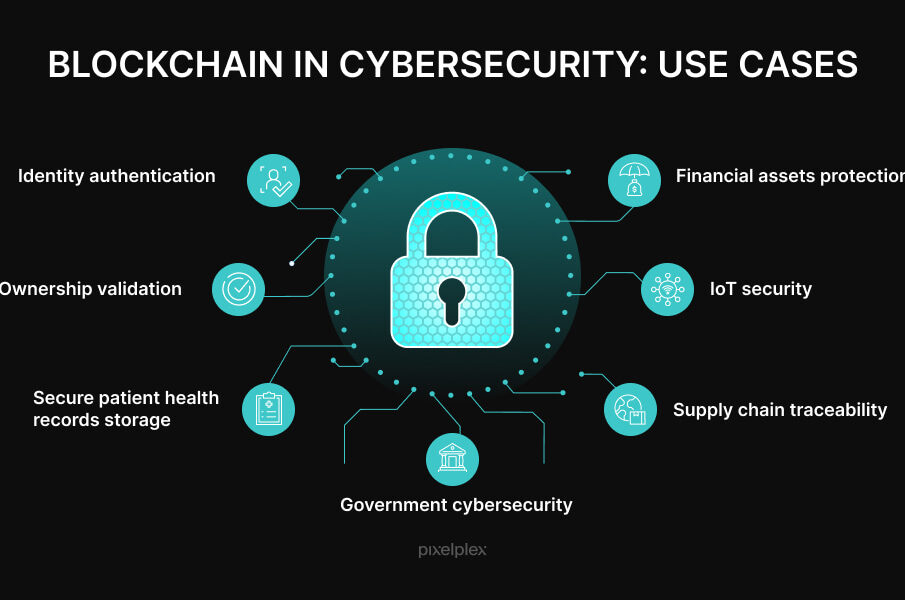
Introduction
Cybersecurity has become one of the most pressing concerns for modern businesses. As cyberattacks increase in complexity, traditional security models are struggling to keep pace. Blockchain technology is gaining traction as a transformative tool for IT security, offering decentralized control, tamper-resistant data records, and enhanced transparency that helps organizations strengthen their defenses.
How Blockchain Enhances IT Security
Decentralization Minimizes Vulnerability
Traditional systems rely heavily on centralized servers that serve as attractive targets for hackers. In contrast, blockchain distributes data among many nodes, making it far more resilient against breaches and system-wide failures.
Immutability Protects Data Integrity
Each entry recorded on a blockchain is permanent and cannot be altered without consensus. This immutability ensures reliable audit trails, prevents data manipulation, and supports secure logging practices essential for cybersecurity.
Strong Cryptographic Foundations
Blockchain networks utilize advanced cryptographic algorithms such as hashing and public–private key encryption. These mechanisms protect sensitive information, authenticate users, and verify transaction legitimacy across distributed environments.
Greater Transparency and Traceability
The transparent nature of blockchain allows all authorized participants to view transaction histories. This real-time visibility makes it easier to detect suspicious activities, monitor system behavior, and maintain compliance with security standards.
Key Applications of Blockchain in IT Security
Identity and Access Management (IAM)
Blockchain enables decentralized identity systems where users control their credentials. Organizations can verify identities without maintaining vulnerable centralized databases.
Key advantages include:
-
Reduced exposure to credential theft
-
Enhanced user privacy
-
Streamlined authentication workflows
Secure Data Storage and Exchange
Blockchain offers a highly secure environment for storing and transmitting data. Its distributed structure ensures that data remains consistent and validated across all nodes, reducing risks of interception or corruption.
Strengthening IoT Device Security
IoT ecosystems often include thousands of interconnected devices, making them highly susceptible to attacks. Blockchain helps secure these environments by:
-
Verifying the origin and authenticity of devices
-
Encrypting device communication
-
Preventing unauthorized access and malicious commands
Threat Detection and Monitoring
Blockchain creates verifiable and time-stamped logs that cannot be altered. Security teams can use these logs to detect anomalies, track attack patterns, and enhance incident response strategies.
Challenges and Considerations
Scalability Limitations
Many blockchain networks struggle to handle large volumes of transactions quickly. When applied to enterprise-scale security systems, scalability can become a bottleneck that requires careful design and optimization.
Integration Complexity
Implementing blockchain may require significant changes to existing IT infrastructures. Organizations must evaluate compatibility, migration costs, and required expertise before deployment.
Regulatory and Compliance Factors
Blockchain’s decentralized nature can raise questions around data jurisdiction, privacy regulations, and compliance standards. Clear governance models are essential for secure and lawful adoption.
Future Outlook
As blockchain technology matures, more industries will adopt it to tackle sophisticated cyber threats. Advancements in hybrid blockchains, interoperable identity systems, and automated security protocols promise even stronger defenses. The future of IT security will likely rely on blockchain as a foundation for trusted, transparent, and resilient digital ecosystems.
FAQs
1. How does blockchain improve data security?
Blockchain enhances data security by distributing information across multiple nodes, preventing unauthorized changes, and using cryptographic methods to secure access.
2. Can blockchain prevent ransomware attacks?
While blockchain cannot stop ransomware entirely, it can secure critical data, protect identity systems, and minimize attack impact through immutable logging.
3. Is blockchain suitable for small businesses?
Yes. Many simplified blockchain solutions can help small businesses enhance security without requiring large investments.
4. What industries benefit most from blockchain security?
Industries handling sensitive data—such as finance, healthcare, logistics, and government—gain the strongest benefits from blockchain-based security frameworks.
5. Does blockchain eliminate the need for traditional cybersecurity tools?
No. Blockchain complements existing tools rather than replaces them. Techniques like firewalls, intrusion detection systems, and encryption remain essential.
6. What are the main risks of using blockchain for security?
Potential risks include scalability issues, complex implementations, and regulatory uncertainties that must be carefully addressed.
7. How will blockchain influence the future of IT security?
Blockchain will support more secure identity systems, transparent data governance, and strengthened protection against emerging cyber threats.