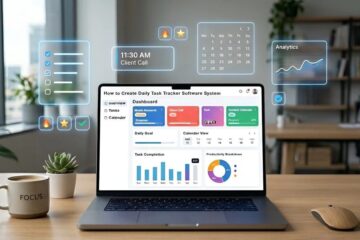
Software: The Backbone of Modern Technology

In today’s digital era, software plays a pivotal role in every aspect of business, education, healthcare, entertainment, and personal life. From powering smartphones and laptops to running complex enterprise systems, software is the backbone of modern technology. Understanding software, its types, development processes, and emerging trends is essential for businesses, developers, and technology enthusiasts looking to stay ahead in a competitive digital landscape.
With the fast-paced digital economy, IT Services London help companies stay ahead by offering advanced IT support. From strategic consultancy to cloud-based solutions, local providers deliver reliable performance. Businesses benefit from reduced downtime, improved productivity, and scalable infrastructure designed to meet long-term objectives.
Understanding Software
Software refers to a set of instructions, programs, or data that enable computers and electronic devices to perform specific tasks. Unlike hardware, which is the physical component of technology, software is intangible and controls how hardware operates. Software can range from simple applications like calculators to complex enterprise solutions managing global operations.
Types of Software
Software can be categorized based on purpose, distribution, and functionality. Understanding these types helps users and organizations choose the right solutions for their needs.
1. System Software
System software provides the foundation for computer operations and hardware interaction. It includes:
- Operating Systems (OS): Software like Windows, macOS, and Linux manage hardware resources, user interfaces, and application execution.
- Device Drivers: Facilitate communication between the operating system and hardware devices like printers, graphics cards, and storage devices.
- Utility Software: Tools such as antivirus programs, file management systems, and disk cleanup utilities enhance system performance and security.
2. Application Software
Application software is designed to help users perform specific tasks. It includes:
- Productivity Software: Programs like Microsoft Office, Google Workspace, and project management tools help with documentation, spreadsheets, presentations, and collaboration.
- Creative Software: Graphic design, video editing, and music production tools such as Adobe Photoshop, Premiere Pro, and Ableton Live enable creative expression.
- Communication Software: Platforms like Zoom, Slack, and Microsoft Teams facilitate communication and remote collaboration.
- Entertainment Software: Gaming platforms, media players, and streaming services provide leisure and entertainment experiences.
3. Development Software
Development software assists in creating, testing, and maintaining other software applications. Key components include:
- Integrated Development Environments (IDEs): Tools like Visual Studio, Eclipse, and IntelliJ IDEA provide code editors, debuggers, and build automation.
- Version Control Systems: Git, SVN, and Mercurial manage code changes, collaboration, and version tracking.
- Database Management Systems (DBMS): Software like MySQL, PostgreSQL, and Oracle store, retrieve, and manage data efficiently.
Software Development Process
Developing software involves systematic steps to ensure quality, efficiency, and usability. Understanding this process is crucial for developers and organizations investing in software solutions.
1. Requirement Analysis
This initial phase involves understanding user needs, business goals, and system requirements. Clear documentation at this stage helps prevent scope creep and ensures that the software meets its intended purpose.
2. Design
Designing software includes creating architecture, user interfaces, and database structures. High-level design defines system components and interactions, while low-level design focuses on detailed modules, functions, and logic.
3. Implementation (Coding)
The actual development occurs during the coding phase. Developers write source code using programming languages like Python, Java, C++, or JavaScript, following best practices to ensure readability, maintainability, and performance.
4. Testing
Testing ensures software works as intended, is bug-free, and meets user expectations. Different types of testing include:
- Unit Testing: Validates individual components or modules.
- Integration Testing: Ensures combined modules work together seamlessly.
- System Testing: Tests the complete system for functionality and performance.
- User Acceptance Testing (UAT): Confirms software meets user requirements before deployment.
5. Deployment
Once tested, software is deployed to the production environment. Deployment strategies may include phased rollout, parallel deployment, or cloud-based delivery depending on complexity and user base.
6. Maintenance
Maintenance involves fixing bugs, updating features, improving security, and optimizing performance. Continuous feedback and monitoring are essential to maintain software relevance and efficiency.
Software Licensing and Distribution
Software can be distributed under different licensing models, each with implications for usage, modification, and distribution:
- Proprietary Software: Owned by a company or individual, with restrictions on modification and redistribution. Examples include Microsoft Office and Adobe Creative Cloud.
- Freeware: Free to use but with limitations on modification. Examples include VLC Media Player and Skype.
- Open-Source Software: Source code is publicly available, allowing modifications and redistribution. Examples include Linux, Apache, and Mozilla Firefox.
- Subscription-Based Software: Users pay recurring fees for access and updates, common in cloud-based solutions like Salesforce and Adobe Creative Cloud.
Emerging Trends in Software
The software industry is continuously evolving, driven by innovation and changing user needs. Key trends include:
1. Cloud Computing
Cloud-based software offers scalability, flexibility, and cost efficiency. Platforms like AWS, Microsoft Azure, and Google Cloud enable organizations to deploy applications without extensive hardware infrastructure.
2. Artificial Intelligence and Machine Learning
AI-powered software enhances automation, predictive analytics, and decision-making. Machine learning algorithms improve software performance by learning from user behavior and data patterns.
3. Low-Code and No-Code Development
Low-code and no-code platforms enable rapid software development with minimal programming skills. Tools like OutSystems, Mendix, and Bubble empower businesses to create applications faster and reduce development costs.
4. Cybersecurity Integration
With increasing cyber threats, software is integrating advanced security measures. Features like encryption, multi-factor authentication, and secure coding practices are becoming standard.
5. Mobile-First Software
Mobile applications dominate user engagement. Developing software with a mobile-first approach ensures seamless experiences across devices, enhancing accessibility and usability.
6. Internet of Things (IoT) Software
IoT software connects smart devices, enabling data collection, monitoring, and automation. Applications range from smart homes and healthcare devices to industrial automation and transportation systems.
Benefits of Investing in Quality Software
Investing in high-quality software brings multiple advantages for businesses and users:
- Improved Efficiency: Automates tasks, reduces errors, and optimizes workflows.
- Enhanced User Experience: Intuitive design and responsive functionality improve satisfaction and engagement.
- Scalability: Modern software can grow with business needs, supporting expansion and innovation.
- Data-Driven Decisions: Analytics and reporting tools provide insights for better decision-making.
- Competitive Advantage: Cutting-edge software keeps organizations ahead of competitors in technology adoption and customer service.
On a personal note, this article was originally intended as a general guide, but I later examined how modern enterprises are leveraging cloud computing, AI, and low-code development platforms to achieve faster deployment, better security, and sustainable growth in an increasingly digital-first world.
Conclusion
Software is the driving force behind modern technology and business innovation. Understanding its types, development processes, licensing models, and emerging trends equips organizations, developers, and users with the knowledge to choose, create, and implement effective software solutions. Staying informed about industry trends and best practices ensures that software investments deliver maximum efficiency, security, and value.
Frequently Asked Questions (FAQ)
1. What is the difference between system software and application software?
System software manages hardware and core functions, while application software helps users perform specific tasks like document editing or gaming.
2. How does open-source software benefit businesses?
Open-source software allows customization, cost savings, community support, and transparency in code, which enhances security and flexibility.
3. Why is software maintenance important?
Maintenance ensures software remains functional, secure, and relevant, addressing bugs, updates, and user feedback.
4. What are the advantages of cloud-based software?
Cloud software offers scalability, cost efficiency, remote accessibility, and automatic updates without extensive on-premises infrastructure.
5. How does AI integration improve software functionality?
AI enables automation, predictive analysis, intelligent recommendations, and personalization, enhancing overall user experience and operational efficiency.
6. What is the role of testing in software development?
Testing identifies bugs, ensures reliability, and verifies that software meets user requirements, preventing failures post-deployment.
7. What is low-code/no-code software development?
Low-code/no-code platforms allow creating applications with minimal or no coding knowledge, speeding up development and reducing costs.
This article provides an in-depth exploration of software, covering its types, development lifecycle, distribution methods, emerging trends, and strategic benefits, helping readers make informed decisions and stay ahead in technology adoption.