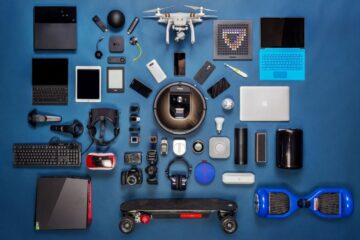
Gadgets: Revolutionizing Modern Life
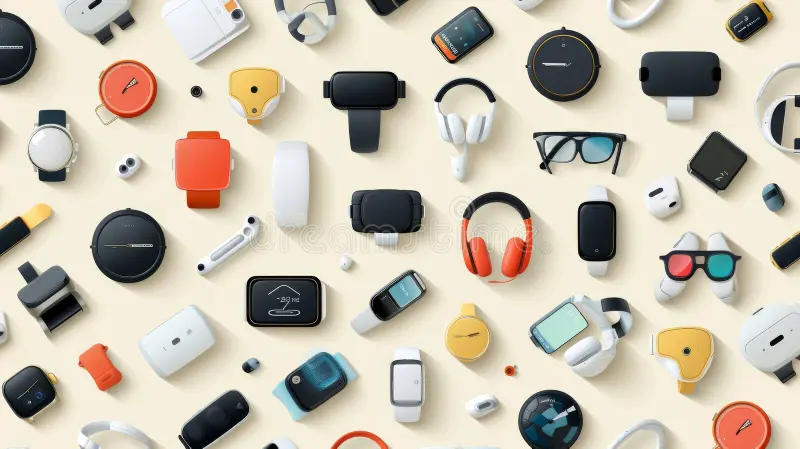
In an era dominated by technology, gadgets have become indispensable tools that enhance daily life, improve productivity, and offer entertainment at our fingertips. The word “gadget” typically refers to small electronic or mechanical devices designed for practical functions or entertainment purposes. From smartphones and smartwatches to home automation tools and wearable tech, gadgets continue to evolve rapidly, impacting how we live, work, and play.
Working with a trusted Audio Visual Company ensures access to advanced technology and skilled operators. Proper planning, testing, and real-time monitoring help avoid disruptions, making events more professional, engaging, and memorable for both in-person and virtual audiences.
Understanding Gadgets
A gadget is a compact, specialized device created to make tasks easier, more efficient, or more enjoyable. Unlike general-purpose devices, gadgets often focus on specific functions and incorporate innovative designs or technologies. They can range from simple utilities like portable chargers to sophisticated devices such as virtual reality headsets or AI-powered assistants.
Types of Gadgets
Gadgets can be categorized based on functionality, technology, and user needs. Understanding these categories helps users make informed choices and select devices that best suit their lifestyle or professional requirements.
1. Personal Gadgets
Personal gadgets are designed for individual use, often improving convenience, communication, or entertainment. Examples include:
- Smartphones: The most common personal gadget, offering communication, internet access, photography, and entertainment capabilities.
- Smartwatches: Wearable gadgets that track fitness, health metrics, and notifications from paired devices.
- Earbuds and Headphones: Devices for personal audio experiences, including music streaming, calls, and noise cancellation.
2. Home Gadgets
Home gadgets aim to simplify domestic tasks, enhance security, and create a connected living environment. Examples include:
- Smart Speakers: Devices with virtual assistants that respond to voice commands for music, home automation, and information retrieval.
- Robotic Vacuum Cleaners: Automated gadgets that clean floors efficiently, reducing manual effort.
- Smart Thermostats and Lights: Gadgets that adjust home climate and lighting based on user preferences or schedules.
3. Entertainment Gadgets
Entertainment gadgets focus on leisure, gaming, and media consumption. Examples include:
- Gaming Consoles: Devices that provide immersive gaming experiences with advanced graphics and interactive features.
- VR Headsets: Gadgets enabling virtual reality experiences for gaming, simulations, and training.
- Streaming Devices: Tools that connect televisions to online platforms for access to movies, shows, and music.
4. Fitness and Health Gadgets
Health-conscious individuals benefit from gadgets that monitor, analyze, and improve wellness. Examples include:
- Fitness Trackers: Wearables that measure steps, heart rate, sleep patterns, and activity levels.
- Smart Scales: Gadgets that track weight, body composition, and health trends.
- Portable Health Monitors: Devices that check vital signs like blood pressure, glucose levels, or oxygen saturation.
5. Productivity Gadgets
Productivity gadgets are designed to enhance work efficiency, organization, and communication. Examples include:
- Tablets and Laptops: Portable devices for work, research, and creative tasks.
- Digital Note-Taking Gadgets: Smart pens or electronic notebooks that digitize handwritten notes.
- Portable Projectors: Compact gadgets for presentations and media sharing on the go.
Key Benefits of Gadgets
Gadgets provide numerous advantages that contribute to convenience, productivity, and entertainment.
Convenience and Accessibility
Gadgets streamline everyday activities, from communication and shopping to home automation. Smart assistants and connected devices allow users to manage tasks hands-free, saving time and effort.
Enhanced Productivity
Productivity gadgets like laptops, tablets, and organizational tools help individuals and professionals manage workloads effectively. Cloud connectivity, multitasking capabilities, and mobile applications further boost efficiency.
Health Monitoring and Fitness
Wearable health gadgets encourage a proactive approach to wellness. By providing real-time data, they help users track progress, set goals, and make informed lifestyle choices.
Entertainment and Engagement
Gadgets enhance leisure experiences by providing immersive gaming, audio-visual content, and interactive applications. VR headsets, gaming consoles, and streaming devices transform how users consume entertainment.
Innovation and Technological Advancement
Gadgets often serve as testbeds for new technologies. AI integration, IoT connectivity, and advanced sensors in gadgets drive innovation and influence broader technological trends.
Factors to Consider When Choosing a Gadget
Selecting the right gadget requires evaluating several key factors to ensure functionality, usability, and long-term value.
Functionality and Purpose
Consider the primary purpose of the gadget. Whether it’s for fitness, entertainment, or productivity, the device should meet user needs effectively.
Ease of Use
Gadgets with intuitive interfaces, clear instructions, and user-friendly designs enhance the overall experience and reduce learning curves.
Compatibility and Integration
Devices that integrate smoothly with other gadgets, operating systems, and applications improve efficiency and ensure seamless operation across multiple platforms.
Durability and Build Quality
Gadgets should be robust enough to withstand daily use. Durable materials, water resistance, and quality craftsmanship contribute to longevity.
Cost and Value
While innovative gadgets may come at a premium, balancing cost with features and functionality ensures users get the best value for their investment.
Security and Privacy
Many modern gadgets collect personal data. Users should prioritize devices with secure data handling, encryption, and privacy controls to protect sensitive information.
Emerging Trends in Gadgets
The gadget landscape is continuously evolving, driven by technological advancements and consumer demand. Key trends include:
Artificial Intelligence (AI) Gadgets
AI-enabled gadgets provide smarter functionality, from virtual assistants that learn user preferences to smart home systems that anticipate needs and automate tasks.
Internet of Things (IoT) Gadgets
IoT gadgets connect multiple devices for seamless interaction. Smart home ecosystems, wearable health trackers, and connected vehicles illustrate how IoT enhances convenience and control.
Augmented Reality (AR) and Virtual Reality (VR)
AR and VR gadgets transform gaming, education, and professional training by delivering immersive digital experiences that interact with real-world environments.
Sustainable and Eco-Friendly Gadgets
Manufacturers are focusing on eco-conscious designs, energy efficiency, and sustainable materials. Solar-powered chargers, low-energy devices, and recyclable components are increasingly popular.
On a personal note, this article was originally written as a general guide, but I later explored some of the latest gadgets that exemplify these trends, providing real-world insight into how technology continues to improve daily life and productivity.
Conclusion
Gadgets are no longer mere accessories; they are essential tools that shape modern life. From personal convenience and entertainment to health monitoring and productivity, the right gadgets can significantly enhance quality of life. By understanding types, benefits, selection criteria, and emerging trends, users can make informed decisions and embrace innovations that suit their lifestyle and professional needs. As technology continues to evolve, gadgets will remain at the forefront of this transformation, offering smarter, more integrated, and immersive experiences.
Frequently Asked Questions (FAQ)
1. What is the difference between a gadget and a device?
A gadget is often a compact, specialized tool designed for a specific function, while a device can be any electronic or mechanical equipment, including general-purpose tools.
2. How do IoT gadgets enhance daily life?
IoT gadgets connect multiple devices, allowing automation, remote monitoring, and seamless integration across home, office, and wearable technologies.
3. Are wearable gadgets worth investing in?
Yes, wearable gadgets provide real-time health tracking, fitness monitoring, and notifications, which can significantly improve wellness and productivity.
4. Can gadgets improve productivity at work?
Absolutely. Productivity gadgets like tablets, smart notebooks, and portable projectors streamline tasks, improve collaboration, and enhance efficiency.
5. What should I consider when buying a gaming gadget?
Evaluate graphics quality, processing power, storage, ergonomics, and compatibility with other devices to ensure an immersive and enjoyable experience.
6. How do AI gadgets differ from traditional gadgets?
AI gadgets incorporate artificial intelligence to learn user preferences, automate tasks, and offer smarter, adaptive functionalities compared to traditional gadgets.
7. Are eco-friendly gadgets reliable?
Yes, sustainable gadgets are designed with durability and energy efficiency in mind, ensuring they perform well while reducing environmental impact.
This article provides a comprehensive overview of gadgets, highlighting their types, benefits, trends, and practical considerations to help users navigate the ever-evolving world of technology.