SEO: The Cornerstone of Digital Visibility
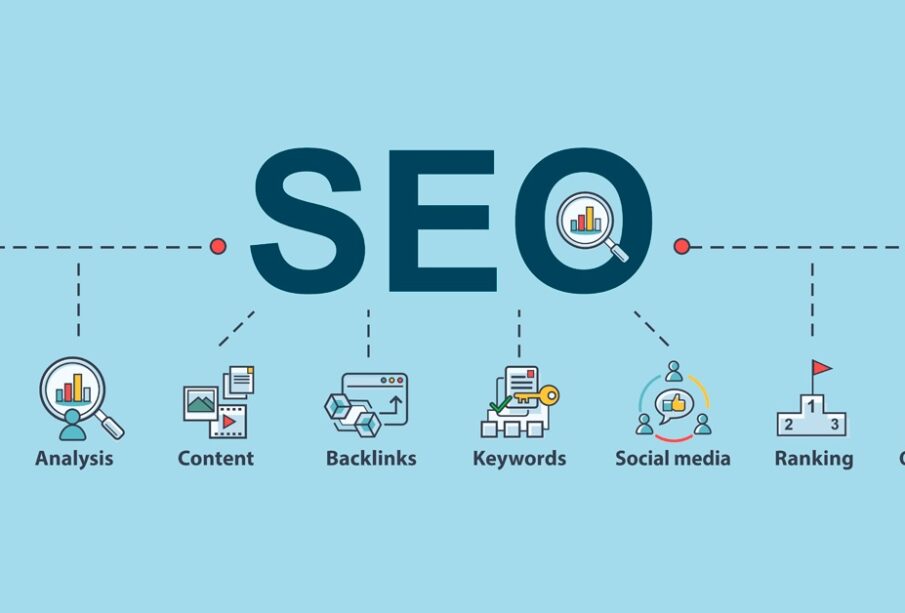
In the modern digital landscape, SEO (Search Engine Optimization) is a critical tool for businesses, bloggers, and website owners who want to improve their online presence. SEO is the practice of optimizing a website or content to increase its visibility in search engine results pages (SERPs), driving organic traffic and improving overall online engagement. Proper SEO strategies ensure that your website ranks higher on search engines like Google, Bing, and Yahoo, making it easier for potential customers to find you.
Understanding SEO
Search Engine Optimization involves a combination of technical, creative, and analytical elements. Its primary goal is to make your website more attractive to search engines and users. By understanding search engine algorithms and user behavior, SEO helps your website achieve higher rankings, better engagement, and more conversions.
Types of SEO
SEO can be broadly categorized into several types based on the techniques and goals involved:
1. On-Page SEO
On-page SEO focuses on optimizing elements within your website to improve its search engine ranking. Key aspects include:
- Keyword Optimization: Selecting relevant keywords and incorporating them naturally into content, headings, meta titles, and descriptions.
- Content Quality: High-quality, engaging, and informative content that meets user intent is crucial. Search engines prioritize content that provides real value.
- Meta Tags: Optimizing meta titles and descriptions to accurately reflect page content and attract clicks.
- Internal Linking: Connecting related pages within your website to improve navigation and distribute link equity.
- URL Structure: SEO-friendly URLs that are descriptive, concise, and include primary keywords.
- User Experience (UX): Ensuring easy navigation, fast loading speeds, and mobile responsiveness to enhance visitor satisfaction.
2. Off-Page SEO
Off-page SEO refers to activities performed outside of your website to improve its authority and credibility. Important techniques include:
- Backlink Building: Acquiring high-quality backlinks from authoritative websites to signal trustworthiness to search engines.
- Social Media Engagement: Promoting content on social platforms can drive traffic and indirectly influence SEO.
- Guest Posting: Writing articles for other websites with backlinks to your site increases visibility and authority.
- Online Reputation Management: Encouraging positive reviews and mentions to enhance your website’s credibility.
3. Technical SEO
Technical SEO ensures that your website meets the technical requirements of search engines for crawling and indexing. Key factors include:
- Website Speed: Optimizing page load times to prevent high bounce rates.
- Mobile-Friendliness: Ensuring your site is responsive and accessible on all devices.
- Secure Website (HTTPS): Secure sites are favored by search engines and build user trust.
- XML Sitemaps: Helping search engines index your website efficiently.
- Structured Data: Using schema markup to provide search engines with detailed information about your content.
4. Local SEO
Local SEO targets users in specific geographic areas and is crucial for businesses with physical locations. Key strategies include:
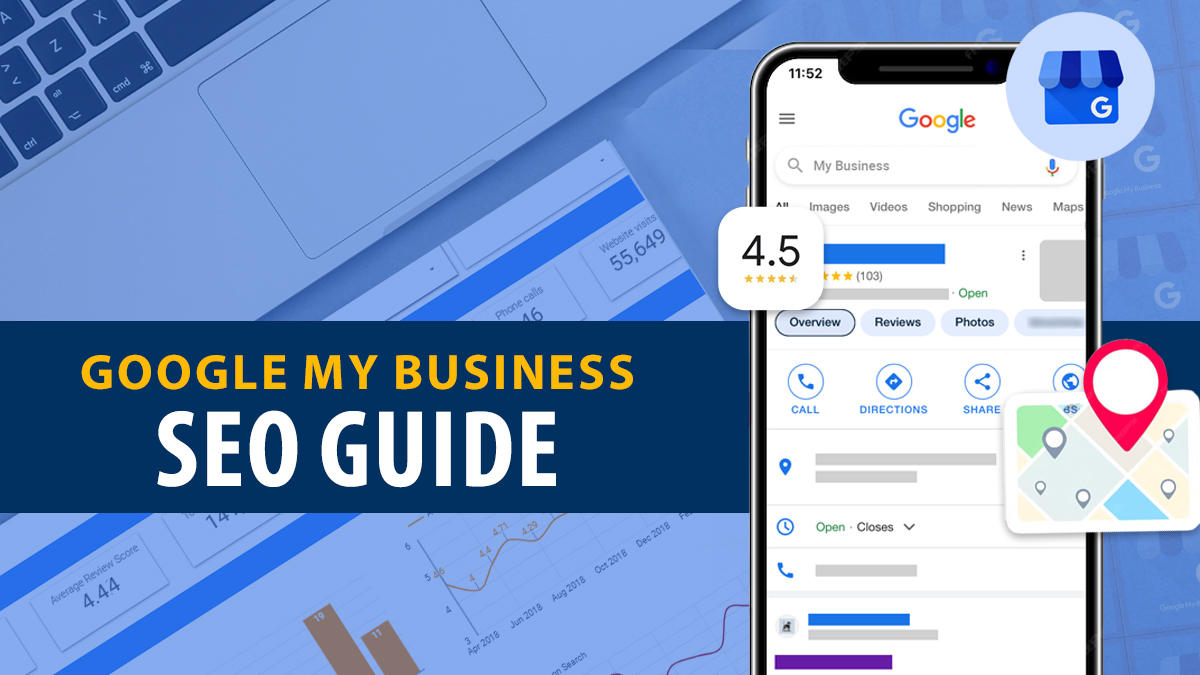
- Google Business Profile Optimization: Maintaining accurate business information and engaging with customer reviews.
- Local Keywords: Including location-specific keywords in content and meta tags.
- Local Citations: Listing your business in local directories and maps for higher visibility.
- Customer Reviews: Encouraging reviews on Google and local platforms to improve credibility.
Why SEO is Important
SEO plays a pivotal role in online marketing, offering benefits that extend beyond mere rankings:
Increased Organic Traffic
Effective SEO strategies drive more qualified visitors to your website, increasing potential leads and conversions without relying on paid advertising.
Enhanced User Experience
SEO improves website usability, mobile responsiveness, and content relevance, ensuring visitors find the information they need quickly.
Higher Credibility and Trust
Websites that rank higher on search engines are often perceived as more trustworthy. High-quality backlinks and positive user engagement further enhance credibility.
Cost-Effective Marketing
Compared to paid advertising, SEO offers long-term benefits. While it requires time and effort, the results are sustainable and continue to attract traffic over time.
Competitive Advantage
Businesses investing in SEO can outperform competitors who neglect optimization. Staying updated with algorithm changes and SEO best practices ensures your website remains visible and relevant.
SEO Best Practices
To achieve optimal results, it’s important to follow proven SEO strategies:
1. Conduct Keyword Research
Identifying relevant keywords that align with your audience’s search intent is the foundation of SEO. Tools like Google Keyword Planner, Ahrefs, or SEMrush help discover high-volume, low-competition keywords.
2. Create High-Quality Content
Content is central to SEO. Focus on creating informative, engaging, and original content that addresses user needs. Use headings, bullet points, and visuals to improve readability.
3. Optimize Meta Tags and URLs
Meta titles and descriptions should include primary keywords and accurately summarize page content. URLs should be concise, descriptive, and keyword-rich.
4. Build High-Quality Backlinks
Earn backlinks from authoritative and relevant websites to increase domain authority. Avoid spammy or low-quality links, as they can negatively impact rankings.
5. Enhance User Experience
Ensure your website is easy to navigate, loads quickly, and is mobile-friendly. Reduce pop-ups and intrusive ads that disrupt user engagement.
6. Monitor and Analyze Performance
Use tools like Google Analytics and Google Search Console to track traffic, user behavior, and ranking improvements. Regularly updating content and refining strategies is essential for ongoing success.
Emerging Trends in SEO
SEO is constantly evolving, influenced by search engine algorithms, user behavior, and technological advancements. Notable trends include:
AI and Machine Learning
Search engines increasingly rely on AI to understand content context and user intent. Optimizing for semantic search and natural language queries is becoming crucial.
Voice Search Optimization
With the rise of smart devices, voice search is gaining popularity. Long-tail keywords and conversational content enhance voice search optimization.
Mobile-First Indexing
Google now prioritizes mobile versions of websites for indexing. Ensuring responsive design and fast mobile performance is essential.
Video SEO
Video content is growing rapidly. Optimizing video titles, descriptions, and transcripts improves visibility on search engines and platforms like YouTube.
Core Web Vitals
Google considers page experience metrics such as loading speed, interactivity, and visual stability for rankings. Focusing on these factors enhances both SEO and user satisfaction.
On a personal note, this article was originally written as a general guide, but I later examined how modern businesses are leveraging advanced SEO techniques, from AI-driven optimization to local search strategies, to achieve higher visibility and sustained online growth.
Conclusion
SEO remains one of the most powerful tools for digital marketing success. By understanding its various components, from on-page and off-page strategies to technical and local SEO, businesses and website owners can significantly improve visibility, credibility, and user engagement. Keeping up with emerging trends and adhering to SEO best practices ensures sustainable growth and a competitive edge in the ever-evolving online landscape.
Frequently Asked Questions (FAQ)
1. How long does it take to see results from SEO?
SEO results vary depending on competition, website authority, and optimization efforts, typically taking 3-6 months to see significant improvements.
2. What is the difference between on-page and off-page SEO?
On-page SEO involves optimizing content and website elements, while off-page SEO focuses on external factors like backlinks and social signals.
3. Can I do SEO on my own, or should I hire a professional?
Basic SEO can be implemented independently, but professional expertise ensures advanced techniques, faster results, and avoidance of penalties.
4. How important are backlinks for SEO?
Backlinks from authoritative websites significantly improve search engine rankings by signaling trust and credibility.
5. What is the role of content in SEO?
Content provides value to users, helps with keyword targeting, and improves engagement, which search engines use to rank websites.
6. How does mobile optimization impact SEO?
Mobile optimization enhances user experience, reduces bounce rates, and aligns with Google’s mobile-first indexing, directly affecting rankings.
7. What are core web vitals, and why are they important?
Core web vitals measure page loading speed, interactivity, and visual stability. They are critical ranking factors and influence user satisfaction.
This article provides a detailed overview of SEO strategies, techniques, and emerging trends, offering actionable insights for anyone looking to boost their website’s online visibility and performance.